Tuscany. Just the name conjures images: rolling hills carpeted in vineyards, ancient cypress trees standing sentinel, sun-drenched medieval villages, and light that seems to paint every scene with a golden brush. It’s a landscape so inherently dramatic and beautiful, it feels purpose-built for the silver screen. No wonder filmmakers flock here, transforming real-life Tuscan settings into unforgettable backdrops for beloved stories. But what happens when the camera stops rolling? What's real, what's cinematic magic, and how can you experience these filming locations yourself?
This guide dives into the true heart of Tuscany's cinematic appeal, exploring the iconic spots that have graced our screens and revealing the real-life charm that inspired them. From the sun-drenched villa of "Under the Tuscan Sun" to the ancient towns that set the stage for epic romance, we’ll uncover the magic where fiction meets reality.
At a Glance: Your Tuscan Cinematic Journey
- "Under the Tuscan Sun" Decoded: Discover the authentic Cortona where the story unfolds, distinguishing between the fictional Bramasole (Villa Laura) and the real memoir's villa.
- Beyond the Screenplay: Explore Florence, Montepulciano, and even glimpses of Rome and the Amalfi Coast from Frances Mayes' journey.
- Tuscany's Broader Appeal: Uncover other iconic Tuscan regions like Chianti, San Gimignano, and the captivating coastline of Castiglioncello, chosen for films like "A Room with a View" and "The English Patient."
- What to Expect When You Visit: Learn how to explore these sites, understanding their historical significance and cinematic legacy.
- Planning Your Own Adventure: Get practical tips for experiencing Tuscany through a filmmaker's lens, immersing yourself in its culture and landscapes.
The Allure of Tuscany: A Filmmaker's Dream Come True
Imagine a place where every vista is a masterpiece, every village a step back in time, and every meal an experience. That’s Tuscany. Its intrinsic beauty, from its sun-kissed vineyards to its dramatic coastlines, offers a palette that’s simply irresistible to cinematographers. This region isn't just a setting; it's a character, lending its timeless elegance and rustic charm to countless narratives. Filmmakers are drawn to its authentic culture, historic architecture, and diverse natural landscapes, which seamlessly blend to create powerful visual storytelling.
Whether depicting sweeping romances, historical dramas, or heartfelt journeys of self-discovery, Tuscany provides an unparalleled authenticity. Its medieval villages, rolling hills, and vibrant local life offer a rich tapestry for any story, making it a true cinematic paradise.
Under the Tuscan Sun: From Memoir to Screen
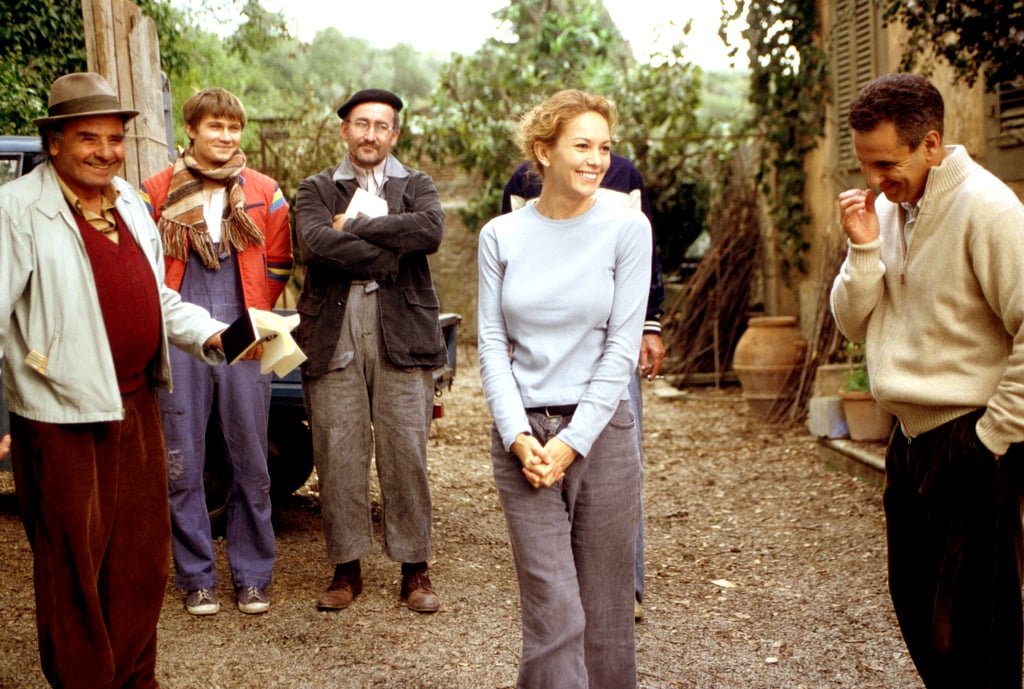
The 2003 film "Under the Tuscan Sun," starring Diane Lane as Frances Mayes, cemented Tuscany's place in the hearts of millions. Based on Frances Mayes' bestselling memoir, the film follows a San Francisco writer who impulsively buys a dilapidated villa in Tuscany and embarks on a journey of renovation and self-reinvention. While the book shares a title with the film, it’s worth noting that the movie’s plot is about 80% fictionalized, blending real-life inspiration with cinematic drama. This blend of fact and fiction makes exploring the film’s Filming Locations & Real-Life Tuscan Settings an especially fascinating endeavor.
The Story Behind Bramasole: Fiction vs. Reality
At the heart of "Under the Tuscan Sun" is Bramasole, the rundown villa Frances Mayes purchases. In the film, the stand-in for Bramasole was Villa Laura (Strada Provinciale Val di Pierle), located near Cortona. This stunning villa, with its picturesque facade and extensive grounds, provided the perfect setting for Frances’s arduous yet ultimately rewarding renovation project.
The real-life Bramasole from Frances Mayes’ memoir, however, is a different property: Villa Bramasole, Località Torreone, 151, Cortona. This actual villa remains a private residence, having been beautifully renovated over the years. You can still glimpse it from the road, and the small shrine mentioned in Mayes' book is reportedly still present. This distinction highlights how film often takes liberties to create its own visual magic, even when inspired by real places.
Frances Mayes' Cinematic Journey: Key Stops Across Italy
Frances's on-screen adventure took her far beyond the immediate vicinity of her new home, showcasing a range of Italian beauty.
Florence: Urban Beginnings
Frances’s "Gay and Away" tour group, which served as the catalyst for her impulsive villa purchase, made its first stop in Florence. The iconic Cathedral of Santa Maria del Fiore (Piazza del Duomo) provided a grand and beautiful introduction to Italy. Later, the interior of an Italian bank, where Frances settled the payment for her villa, was filmed at Intesa Sanpaolo S.P.A. (Via Maurizio Bufalini, 4). These Florentine scenes capture the city's timeless elegance and bustling charm, offering a stark contrast to the quiet country life Frances later embraces. If you're planning a visit, consider a day trip from Florence to Cortona to see these places firsthand.
Cortona: The Heart of Bramasole
Beyond Villa Laura, the actual town of Cortona was central to the film. This authentic Tuscan hill town, where the book is set, provides a tangible sense of the small-town Italian life Frances seeks.
- Piazza della Repubblica (27): This vibrant square hosted an Italian produce market scene, brimming with local color. Later, it became the setting for a relaxed stroll between Frances and her friend Katherine.
- Piazza Pescheria (52044): Frances is depicted writing a postcard here. While the film shows a café, in reality, this piazza is an overlook offering stunning views of the valley below.
- Teatro Signorelli (Piazza Luca Signorelli): This historic theater was the location where Frances watches "George of the Jungle," showcasing the simple pleasures of local entertainment.
Cortona truly embodies the spirit of the film, from its bustling piazzas to its charming cobblestone streets. It’s a delightful town to explore, where every corner seems to whisper a story.
Montepulciano & San Biagio: Local Charm & Celebrations
A short journey from Cortona, the picturesque town of Montepulciano provided another iconic setting. Its grand Piazza Grande was transformed for a traditional flag-waving ceremony featuring Pawel, one of Frances’s Polish construction workers. A fountain, specially built for the film, was also featured here, adding to the festive atmosphere.
Just outside Montepulciano, the breathtaking Sanctuary of the Madonna di San Biagio (Via di S. Biagio, 20) served as the stunning church for Pawel and Chiara's wedding. This Renaissance masterpiece, with its perfectly symmetrical design, offers a truly majestic backdrop. Its serene beauty makes it a memorable stop for any visitor.
Beyond Tuscany: Rome & The Amalfi Coast
Frances Mayes' cinematic journey extended beyond Tuscany's borders, capturing other facets of Italy's diverse landscape.
- Rome: The bustling capital played a brief but significant role. The interior set for the San Francisco bookstore scene was surprisingly housed in Cinecittà Studios in Rome. Frances's bus trip to Rome saw her pass through Piazza Venezia, and she encountered a man at the corner of Via dei Cappellari and Vicolo del Bollo, and later in Piazza di San Simone. These quick vignettes capture the chaotic energy and timeless grandeur of Rome.
- Amalfi Coast: For a romantic interlude, Frances ventured to the iconic Amalfi Coast. Positano Beach was the scenic spot where a handsome Italian drove Frances to his family's bar, offering breathtaking views of houses clinging to the hillside. She spent the night at Hotel California Positano (Via Cristoforo Colombo, 141), recognized by its distinctive balcony overlooking the sea. This segment provides a visually stunning contrast to the rustic Tuscan countryside. To experience a broader cinematic journey through Italy, combining Tuscany with the dramatic beauty of the south is an excellent idea.
Beyond Bramasole: Tuscany's Broader Cinematic Canvas
While "Under the Tuscan Sun" showcased specific pockets of Tuscany, the region as a whole is a cinematic goldmine, offering an incredible variety of settings that have graced countless other films. Its diverse landscapes and rich culture make it a versatile choice for any narrative.
Chianti's Golden Hills: Vineyards and Vistas
The Chianti Region is perhaps the quintessential Tuscan landscape. Famous for its lush vineyards, rolling hills, and olive groves, it’s an ideal setting for picturesque visuals, especially at sunrise and sunset when the light bathes the scenery in a golden glow. Films like "A Room with a View" and "The English Patient" have famously utilized Chianti's verdant hills and rustic farmhouses. This area offers endless opportunities for both indoor and outdoor shooting, allowing filmmakers to incorporate vineyard estates and local festivals, adding authentic Italian flavor. Exploring Chianti means immersing yourself in the visual poetry that has captivated directors for decades.
Medieval Time Capsules: Villages Frozen in Stone
Tuscany is dotted with perfectly preserved medieval villages that feel like stepping onto a film set. San Gimignano and Pienza, for example, retain their ancient charm with unique architecture, cobblestoned streets, and iconic towers. These villages provide historical backdrops that are versatile for various genres, from period dramas to romantic comedies. They offer opportunities for capturing authentic on-location art scenes, street performances, and engagement with local artisans, adding layers of cultural richness to any story. Imagine walking through these towns, feeling the echo of stories past, both real and cinematic.
The Tyrrhenian Whisper: Tuscany's Coastline Charms
Not all of Tuscany is about rolling hills; its coastline offers a dramatically different, yet equally captivating, cinematic setting. Places like Castiglioncello feature dramatic cliffs, hidden coves, and sandy shores, versatile enough to create moods from playful and romantic to intense and mysterious. Castiglioncello itself, with its vibrant charm, provides spectacular backdrops. This area offers access to private beaches and adaptable settings for different film genres, making it a compelling alternative to the inland landscapes. If you're seeking a blend of coastal beauty and Tuscan charm, consider private villa rentals that offer beachfront experiences.
Immersive Cultural Experiences: More Than Just Scenery
Beyond the visual splendor, Tuscany's vibrant culture provides an authentic backdrop for film projects and a rich experience for visitors. Intimate eateries, bustling local markets, and traditional festivals offer a glimpse into the heart of Italian life. Filmmakers often incorporate scenes of cooking classes, sourcing local goods from artisanal markets, or integrating vibrant celebrations to add depth and realism to their narratives. For travelers, these experiences offer a chance to live like a local, tasting the region’s renowned cuisine, participating in its traditions, and truly understanding the anima of Tuscany.
Nature's Masterpiece: Diverse Landscapes and UNESCO Wonders
Tuscany’s natural landscapes are incredibly diverse, from rolling hills and lush valleys to serene olive groves and sun-drenched beaches. This varied terrain provides unlimited setting options for filmmakers. UNESCO World Heritage sites like Val d’Orcia, with its iconic cypress-lined roads, enhance visual storytelling with their recognized beauty. The region offers dynamic settings year-round, from the vibrant greens of spring to the golden hues of autumn, and provides dramatic skies that can transform any scene. The visual contrast between nature and architecture here is particularly striking, allowing for powerful juxtaposition in film.
Choosing Your Tuscan Retreat: From Film Set to Your Stay
Many of the locations that have graced the silver screen are accessible to the public, allowing you to walk in the footsteps of your favorite characters. When planning your visit, consider what kind of "film set" experience you're looking for.
- For "Under the Tuscan Sun" Enthusiasts: Focus your base in or around Cortona. While the real Bramasole is private, staying in a local villa or boutique hotel provides a similar immersive experience. You can visit the piazzas, the theater, and easily take day trips to Montepulciano and San Biagio.
- For Broader Cinematic Exploration: Consider a centrally located base in Chianti or near Florence, which offers convenient access to various medieval villages and wine regions. Many luxury villas and accommodations are designed to merge the beauty of Tuscany with a comfortable sanctuary, making them ideal for exploring these diverse cinematic spots. These stays often provide unparalleled access to local culture, from cooking classes to wine tastings.
- For Coastal Charm: If you're drawn to the sea, look towards areas like Castiglioncello. Here, you can enjoy the dramatic cliffs and private beaches, experiencing a different facet of Tuscany's cinematic appeal.
Understanding the difference between the actual film locations and the real-life inspirations can enhance your visit, allowing you to appreciate both the magic of filmmaking and the enduring beauty of Tuscany itself.
Bringing Tuscany Home: Planning Your Own Cinematic Adventure
You don’t need a film crew to experience Tuscany’s cinematic magic. With a little planning, you can craft an unforgettable journey that feels like your own personal movie.
- Map Your Interests: Decide which films or types of locations appeal most to you. Is it the quaint charm of Cortona, the grandeur of Florence, or the serene beauty of the Val d’Orcia?
- Rent a Car: While public transport connects major cities, a car is essential for exploring the smaller villages, scenic drives, and hidden gems that define Tuscany's appeal. It gives you the freedom to chase the golden hour light just like a cinematographer.
- Embrace the Slow Pace: Just as Frances Mayes learned to adapt to Tuscan life, allow yourself to slow down. Spend time lingering in piazzas, enjoying long meals, and soaking in the atmosphere. The unscripted moments are often the most memorable.
- Engage with Locals: The true "supporting cast" of your Tuscan adventure will be the people you meet. Shop at local markets, dine at family-run trattorias, and engage in conversations. Their stories add a richness that no film can fully capture.
- Capture Your Own Scenes: Bring a good camera! Tuscany is incredibly photogenic. Think about compositions, light, and how you want to frame your memories, just as a director would.
Your Next Chapter in Tuscany
From the emotionally resonant villa of "Under the Tuscan Sun" to the sweeping panoramas of Chianti and the ancient stones of its medieval towns, Tuscany offers an endless supply of inspiration. It’s a place where every corner holds a story, and every landscape feels like a scene waiting to unfold. By understanding the blend of cinematic interpretation and real-world splendor, you’re now equipped to embark on your own discovery of Tuscany’s most captivating filming locations and real-life settings. So pack your bags, set your own scene, and get ready to write your next unforgettable chapter amidst the timeless beauty of Italy.